Watercolor Peony Frames: A Breath of Fresh Air for Your Designs
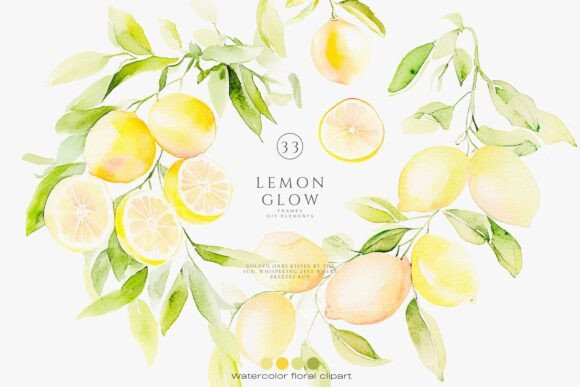
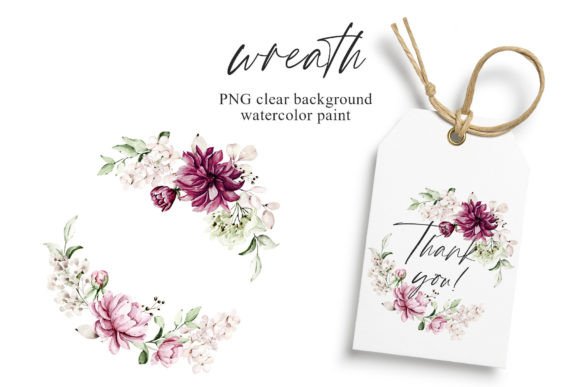
There’s an undeniable charm to watercolor art. It’s organic, fluid, and carries a human touch that digital precision often struggles to replicate. When that artistry is captured in a versatile format like a watercolor flower frame border featuring lush peonies, it becomes more than just decoration—it becomes a powerful design asset. This particular clipart, with its bright, hand-painted blooms and transparent background, offers a ready-made solution for injecting elegance and natural beauty into a wide array of projects. Let’s explore how this simple yet stunning element can transform your creative work.
Why a Watercolor Peony Frame Resonates
Peonies are more than just flowers; they symbolize prosperity, romance, and compassion. Their full, layered petals and soft color gradients are a natural fit for watercolor rendering, creating a sense of depth and movement. A frame built from these blooms instantly sets a specific mood—one of sophistication, celebration, and organic warmth. Unlike a stark geometric border, a watercolor floral frame guides the viewer’s eye gently, creating a focal point that feels inviting rather than restrictive. This makes it ideal for designs where you want to evoke emotion, from heartfelt wedding invitations to cheerful birthday announcements.
The practicality of this asset cannot be overstated. Delivered as a high-resolution PNG file at 300 DPI (4500px x 4500px), it’s built for professional use. The transparent background is a game-changer, allowing you to layer it seamlessly over any color, pattern, or image without cumbersome editing. Whether you’re working in Canva, Adobe Photoshop, or Illustrator, you can simply drag, drop, and resize. This flexibility saves hours of time that might otherwise be spent sourcing, photographing, or digitally painting similar elements from scratch.
From Branding to Social Media: Practical Applications
The true value of a design asset lies in its versatility. This watercolor flower frame border is a workhorse across numerous applications, helping to maintain visual consistency while elevating the professional presentation of your work.
For small business owners and entrepreneurs, it’s a branding secret weapon. Imagine using it to frame your logo on product packaging, creating an instant association with quality and care. It can soften the look of a tech brand, add a feminine touch to a beauty product line, or lend an artisanal feel to a bakery’s menu. On your website, use it to highlight a featured testimonial or a special announcement. The frame draws attention without overwhelming the core message, improving readability and engagement.
Content creators and marketers will find it invaluable for social media graphics. A beautifully framed quote, a promotion, or a call-to-action stands out in a crowded feed. It can be used as a subtle border for Instagram stories, a header for a Pinterest pin, or an elegant background for a text overlay. For bloggers, it can frame featured images or section headers, adding a cohesive, branded aesthetic to every post.
In the realm of print and editorial design, the applications are equally rich. Think of elegant wedding suite materials—save-the-dates, invitations, programs, and thank you cards all unified by the same floral motif. For event planners or stationery designers, this provides a consistent theme. It’s also perfect for designing attractive brochures, flyers, and posters for garden parties, bridal showers, or boutique sales. The bright, hand-painted quality ensures the design feels unique and personal, not mass-produced.
Integrating the Frame with Typography and Layout
Pairing this ornate frame with the right typography is key to a balanced design. The goal is to let the artistry of the peonies shine while ensuring your text remains clear and readable.
Because the frame is decorative, your primary text—like a headline or name—often benefits from a cleaner, more structured typeface. A classic serif font (like Garamond or Playfair Display) can add a touch of timeless elegance that complements the floral theme. Alternatively, a simple, modern sans-serif font (like Montserrat or Lato) creates a beautiful contrast, allowing the watercolor to be the star while keeping the text crisp and contemporary.
For accent text, like a tagline or date, a script or handwritten font can mirror the organic, hand-painted feel of the watercolor. Use this sparingly to avoid visual clutter. Always test your font pairings at the actual size they’ll be used. What looks good on a large monitor might become illegible when scaled down for a business card or social media thumbnail. Pay close attention to spacing and kerning, especially with script fonts, to ensure the letters don’t collide or create awkward gaps.
Layout-wise, give the frame room to breathe. Avoid placing text too close to the inner edge of the floral border. Use the negative space within the frame strategically for your core content. Sometimes, a slight rotation of the frame can add dynamic energy, or breaking the frame at the corners can integrate it more fully with the overall page design.
A Final Thought on Creative Assets
Investing in high-quality, ready-to-use design assets like this watercolor peony frame is a smart move for any creative professional or enthusiast. It streamlines your workflow, ensures a high standard of output, and provides a foundation for consistent branding. Remember that colors can vary slightly across different screens and printers, so it’s always wise to do a test print or view on multiple devices if color accuracy is critical for your project. This particular asset, with its generous size and vibrant palette, is designed to be a versatile cornerstone in your creative toolkit, helping you craft beautiful, engaging, and professional designs with a touch of natural elegance.