Wreath, Watercolor Flowers, Butterflies: The Versatile Clipart for Designers
There's a particular kind of magic in a design that feels both organic and polished. It’s that delicate balance between the hand-painted charm of an artist's brushstroke and the clean precision required for professional work. Finding a visual asset that achieves this can feel like a major win, saving you hours of work while instantly elevating your project. This is where a high-quality watercolor floral clipart set becomes an indispensable tool in your creative arsenal, offering a burst of natural beauty that can be adapted for a stunning variety of applications.
The Allure of Hand-Painted Watercolor Graphics
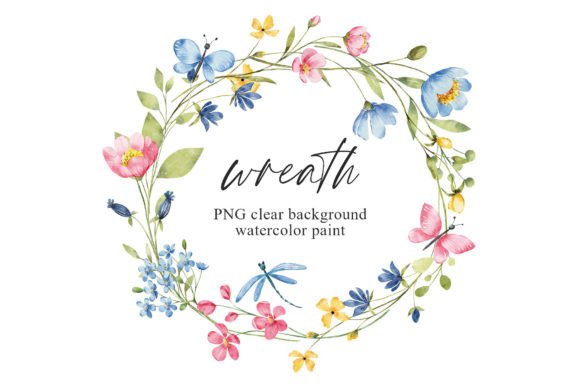
What makes a graphic like a wreath of watercolor flowers and butterflies so compelling? It’s the inherent authenticity. Unlike vector shapes with perfectly uniform fills, watercolor art has depth, texture, and subtle color variations that mimic the real world. Each petal and leaf has a unique character, and the soft, bleeding edges of the paint create a gentle, organic feel. This style taps into a desire for designs that feel personal and crafted, rather than sterile and mass-produced. The inclusion of butterflies adds a layer of whimsy, movement, and transformation, making the entire composition feel alive. For any designer, marketer, or entrepreneur, this visual language communicates warmth, creativity, and attention to detail.
A key advantage of a professionally prepared digital asset is its readiness for immediate use. A high-resolution PNG file with a transparent background is the ultimate plug-and-play solution. You don't need to spend time meticulously cutting out backgrounds or worrying about jagged edges. The graphic is isolated and ready to be layered over any color, texture, or image. This is particularly crucial for maintaining a fast workflow when you’re juggling multiple projects, from social media content creation to finalizing print-ready files for a client.
From Wedding Invitations to Brand Storytelling
The practical applications for this type of floral clipart are nearly endless, bridging the gap between digital and physical products. Think of it as a versatile design component rather than a single-use illustration. Its utility spans across numerous industries and project types, providing a consistent source of beautiful, on-brand imagery.
- Print & Party Supplies: This is a natural fit. Create elegant wedding invitations, save-the-dates, and menu cards. Design charming baby shower announcements, birthday party flyers, and festive posters. The bright, hand-painted style brings a celebratory and personal touch that pre-made templates often lack.
- Digital & Editorial Design: In the digital realm, the wreath can serve as a beautiful frame for social media posts, especially quotes or announcements on Instagram and Pinterest. Use it as a decorative element on a website's homepage, a blog's featured image, or within the pages of a digital magazine to break up text and add visual interest.
- Branding & Marketing: For businesses with an artisanal, wellness, or nature-focused identity, this clipart is a goldmine. Incorporate it into packaging design for a boutique soap company, a florist's branding materials, or a local bakery's logo. It can be used to create cohesive marketing assets, from brochure headers to email newsletter banners, ensuring every touchpoint feels thoughtfully designed.
- Creative Projects & Merchandise: Crafters and artists can use the graphic for scrapbooking layouts, custom stationery, and even print-on-demand merchandise like tote bags, mugs, or greeting cards. The high-resolution file ensures the design looks sharp and vibrant, whether it's printed small on a business card or large on a poster.
Integrating Floral Elements into Your Brand Identity
Successfully incorporating a decorative element like a floral wreath into your brand requires more than just placing it on a design. It’s about using it strategically to reinforce your brand’s personality and message. The goal is to create visual consistency that builds recognition and trust with your audience.
First, consider the context. A delicate floral frame might be perfect for a wellness blog or a wedding photographer, but it might feel out of place for a corporate law firm. Ensure the style aligns with your industry and the emotions you want to evoke. The bright, cheerful nature of this particular wreath is ideal for brands that want to appear approachable, creative, and optimistic.
Next, think about application rules. Will you use the full wreath as a background element, or will you break it apart and use individual flower clusters as accents? Establishing guidelines for how the asset is used will help maintain a professional and cohesive look across all your materials. For instance, you might decide to always pair it with a clean, sans-serif font for headings to ensure readability, or use it only in specific color palettes that match your brand's core colors. This thoughtful approach turns a simple clipart into a powerful tool for brand storytelling.
Choosing Your Tools: Typography and Color Considerations
A beautiful floral frame deserves to be paired with the right typography. The combination of a decorative graphic and a well-chosen font is what separates a good design from a great one. When working with a detailed watercolor element, the text needs to be clear and complementary, not competing for attention.
For a classic and elegant look, consider pairing the wreath with a sophisticated serif font. The gentle curves of serifs can echo the organic lines of the flowers, creating a harmonious and timeless feel. If your brand is more modern and minimalist, a clean sans-serif font will provide a striking contrast, allowing the intricate details of the watercolor art to stand out without visual clutter. For a more personal, handwritten touch, a legible script font can work beautifully, but be sure to test it for readability, especially at smaller sizes. The key is to experiment with font pairings to find a balance that feels right for your specific project and audience.
Color is another critical factor. While the clipart file comes pre-colored, remember that screen displays and printer calibrations can vary. Always do a test print if your project is for physical use. When designing digitally, you can adjust the hue and saturation of the entire graphic to better match your brand's color scheme. You can also use it as a pop of color against a neutral background or place it over a soft, complementary watercolor wash to create a rich, layered effect.
A Note on Licensing and File Specifications
Before you dive into your next project, it's wise to understand the asset you're working with. This particular floral wreath is delivered as a 300 DPI PNG file, measuring 3600px by 3600px. This specification is crucial for print quality, ensuring your designs will be crisp and clear even when printed at a large size. The 10-inch by 10-inch dimension at 300 DPI is a standard for high-quality print templates, making it suitable for everything from posters to packaging.
Furthermore, always review the licensing terms associated with any design asset you purchase. A commercial license typically allows you to use the asset in projects for sale, marketing materials, and client work. However, it’s important to read the specifics to understand any limitations, such as restrictions on selling the clipart file itself as part of a digital template pack. Adhering to these terms protects both you as the creator and the original artist, ensuring a fair and sustainable creative ecosystem for everyone. By choosing assets with clear, straightforward licensing, you can design with confidence and focus on what you do best: creating beautiful, effective work.