Alphabet with Watercolor Flowers Letters: A Designer's Dream
Imagine holding a paintbrush dipped in vibrant watercolor, delicately tracing the curves of a letter 'A' while adorning it with lush peonies, eucalyptus leaves, and golden berries. That is the feeling captured within this collection. For designers, stationers, and creative entrepreneurs, typography often serves as the voice of a brand, but imagery provides the soul. This set bridges that gap, offering a solution for projects that demand a personal, artisanal touch without the hours of manual painting. It is about bringing the organic beauty of a hand-painted aesthetic into the digital workspace, providing a shortcut to elegance that feels entirely authentic.
The Artisanal Appeal of Hand-Painted Typography
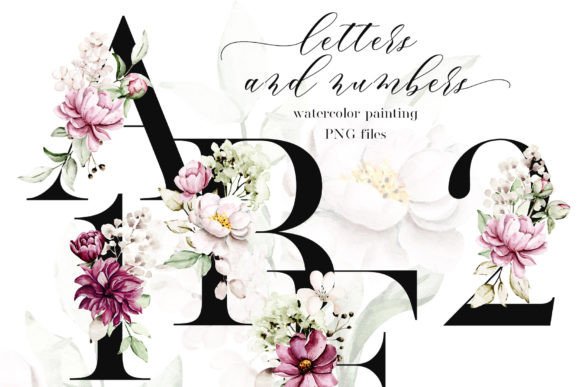
In a landscape dominated by clean sans-serifs and rigid geometric grids, there is a growing hunger for designs that feel human. This collection answers that call by combining the structure of typography with the fluidity of watercolor art. Unlike standard vector fonts where every curve is mathematically perfect, these letterforms possess the subtle textures and color bleeds characteristic of watercolor on paper. The pigment pools in corners, fades into transparency at the edges, and creates organic shapes that digital tools struggle to replicate synthetically.
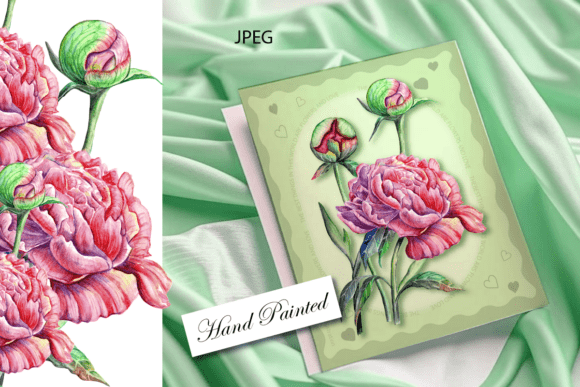
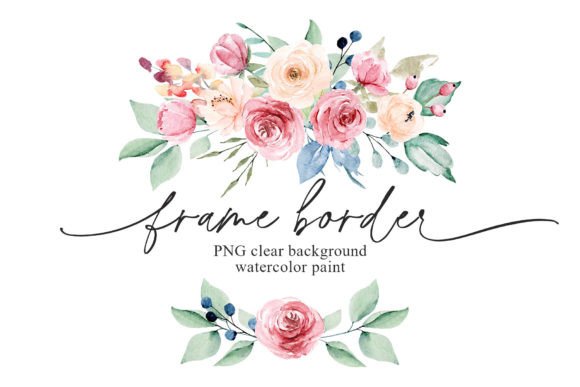
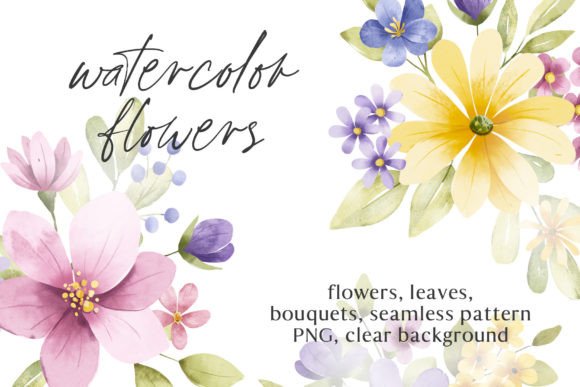
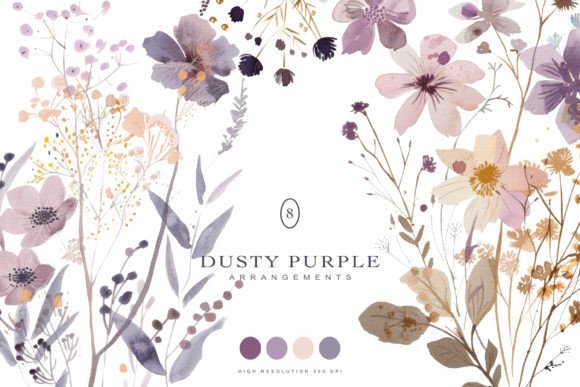
The visual weight of these letters comes from the intricate floral compositions surrounding them. We are not just talking about a standard typeface; we are looking at a series of illustrations built around letterforms. The botanical elements—ranging from soft blush roses to vibrant tropical leaves—create a frame around the characters. This makes the letters ideal for monograms and initials, where the character needs to stand alone as a centerpiece rather than just part of a sentence. The aesthetic is bright and cheerful, yet sophisticated enough for formal applications like wedding stationery.
From Wedding Invitations to Brand Identity
The versatility of a watercolor floral alphabet extends far beyond simple scrapbooking. For small business owners, particularly those in the lifestyle, beauty, or wedding sectors, these assets can become a cornerstone of a visual identity. Consider a boutique florist or a high-end event planner. Using these letters for a logo or a header on a website instantly communicates the nature of the business. It tells the client, "We care about beauty, details, and nature," without saying a word.
However, the application doesn't stop at the wedding industry. This style of typography is incredibly effective for:
- Children’s Education and Products: The bright, friendly nature of the colors makes them perfect for nursery wall art, flashcards, or children’s book covers.
- Wellness and Self-Care: Spas, yoga studios, and organic skincare brands can use these soft, natural textures to evoke a sense of calm and purity.
- Greeting Cards and Stationery: Whether for a Hallmark-style line or a personal Etsy shop, these elements allow for the creation of unique, best-selling card designs.
The file specifications—3000 x 3000 pixels at 300 DPI—make this collection particularly robust for professional printing. High resolution is non-negotiable when it comes to sublimation or large-format printing. You can scale these assets for a small planner sticker or a large poster without the image becoming pixelated or losing the crispness of the brushstrokes. This technical quality ensures that the "hand-painted" look remains convincing even when scrutinized up close.
Practical Integration into Modern Workflows
One of the biggest challenges designers face when using decorative assets is file compatibility. The inclusion of the PNG format with transparent backgrounds solves a significant workflow bottleneck. Because the background is removed, you can layer these letters over textured paper backgrounds, photographs, or solid color blocks without the hassle of masking or using blending modes to hide white edges. This is essential for creating complex compositions in software like Adobe Photoshop, Illustrator, or Canva.
For those working on digital products, the ability to create "mockups" is vital. Imagine designing a set of printable wall art for an online marketplace. You can take the letter "B" adorned with blue hydrangeas, place it on a digital frame mockup, and create a compelling product listing image in minutes. Similarly, for social media managers, these letters offer a way to create stop-scrolling graphics. A birthday announcement or a "Flash Sale" post using these vibrant, textured letters feels more premium and engaging than a standard text overlay.
When integrating these assets into your projects, consider the following workflow tips:
- Layering and Shadows: To make the letters look "printed" on a surface, add a subtle drop shadow or a multiply layer effect. This helps ground the graphic on the background.
- Color Adjustments: While the files come pre-colored, don't be afraid to use Hue/Saturation adjustments to tweak the floral tones to match a specific brand palette.
- Spacing: Because these are square compositions (10x10 inches), you may need to crop the floral elements to get the letters to sit closer together if spelling out a full word.
Matching Typography to Project Goals
Choosing the right font style is rarely just about aesthetics; it is about communication. If you are designing a flyer for a corporate law firm, a watercolor floral alphabet is likely the wrong choice—it signals playfulness and nature, not corporate rigidity. However, for a bakery, a children's clothing line, or a romantic novel cover, this style hits the exact emotional note required.
Readability is a key consideration. Highly decorative display fonts or illustrated letters are best used for headlines, monograms, and initials. They are not designed for body text. If you try to write a full paragraph with these elements, the visual noise becomes overwhelming, and the message is lost. Instead, pair these ornate letters with a clean, simple sans-serif font for the supporting text. This contrast creates a visual hierarchy that guides the viewer's eye from the artistic hook to the informative content.
Think of these letters as jewelry for your design. Just as a statement necklace pairs best with a simple dress, a watercolor floral letter pairs best with a clean layout. This balance ensures that the design feels professional rather than cluttered. The goal is to use the high visual impact of the watercolor elements to draw attention, while relying on standard typography to deliver the details.
Commercial Licensing and Usage Considerations
When purchasing design assets, understanding the license is as important as the design itself. Most digital asset shops provide a license that allows for commercial use, meaning you can sell the final products you create (like printed invitations or t-shirts) without paying royalties per sale. However, you typically cannot resell the raw files themselves. For instance, you can sell a poster featuring the letter "M," but you cannot sell the PNG file of the letter "M" as a standalone asset.
It is also worth noting the "Color Disclaimer" often found in digital art listings. Watercolors are notoriously difficult to reproduce digitally. The vibrancy of the colors you see on your screen depends on your monitor's calibration and the color profile (RGB vs. CMYK). When moving from screen to print, especially in sublimation, colors often shift. A bright pink on screen might print slightly more peachy or muted. Always run a test print before committing to a large batch of merchandise to ensure the botanical details remain as vivid as intended.
Ultimately, an Alphabet with Watercolor Flowers Letters collection is more than just a set of images; it is a toolkit for storytelling. It allows creators to inject warmth, romance, and artistry into their work instantly. Whether you are a hobbyist making a scrapbook page for a family album or a professional designer branding a new boutique, these assets provide the flexibility and quality needed to make every project bloom.